

As property appraisal letters for Jefferson County are currently making their way through the postal system, sticker shock is beginning to set in for Beaumonters who have already received mailers.
In some areas of Beaumont, the land values alone have ballooned by tens of thousands of dollars in just one year. On Magnolia Street in the city’s North End, land values have tripled, according to data presented by the Jefferson Central Appraisal District (JCAD). Rikisha Street residents in the West End will see a big jump on land value, as well. And, the list goes on and on.
Data samplings indicate that, in addition to routine valuation increases and decreases affected by sales and improvements, Beaumont land valuation has multiplied throughout the city. JCAD Chief Appraiser Angela Bellard said there are many factors driving up land values – but the increases are very real, and unlikely to retreat.
Good for the goose, good for the gander
According to the chief appraiser, land sales throughout Beaumont have been reporting top-dollar returns. Large lots of land sold for apartment development, commercial investments and cash-paying new residents from outside Texas have all contributed to the high value placed on Beaumont property, Bellard indicated.
“Market value isn’t what you think the property is worth; it’s what the market indicates it could be sold for. People buying properties are controlling the market. They can decide what they think a property is worth with what they are paying for it.”
In Beaumont, trends indicate, buyers are willing to pay more than what current residents are accustomed to.
“It’s causing the market value to go up,” Bellard said — at least for the land. In many cases, Bellard added, land improved with buildings, pools, sheds, etc. can actually cause the value of the total property to go down; so, to align improved land properties with “market value,” some Beaumont property valuations will note a decrease in the value of the property’s improvements.
“The overall may not be going up,” Bellard pointed to on some appraisal notices. “In some areas, land went up, but improvements went down. That happened to a lot of accounts.”
Bellard said the whole process is undertaken to ensure appraised property is “equal and uniform.” Deviation from all property holding similar value, she added, can be protested.
“It’s mass-appraising. We have to make sure we treat everyone the same,” Bellard said. “Because we do it in mass, we don’t look at everything. But, we have to make it as equitable as possible.
“Everyone has to pay their fair share.”
An allocation of the community’s “fair share” is invoking a reallocation of property value “all throughout Beaumont,” albeit still on “a case-by-case basis.”
Algorithms, market study analysis, investigative and passive efforts all factor into the total appraisal process, resulting in most properties being valued on what Bellard called “a matrix.” With exponential potential for deviation on any specific property due to the processes utilized, JCAD valuations can fluctuate from property to property, neighborhood to neighborhood, meaning that the value of land at one property may not even be the same for the property next door.
“It’s all part of a big puzzle,” Bellard said of a picture JCAD staff are tasked with preparing to adequately value the property of Jefferson County. “Then, of course, the state does its study.”
Bellard said the local agency is tasked with getting property appraisals as close to market value as reasonably possible, and as reasonably expected by state officials. Texas Comptroller assessments of Jefferson County property values have been critical in the recent past. In the years post-COVID, the state withheld roughly $9 million in tax allocation from the community due to what state appraisers deemed too low of JCAD property appraisals, Bellard recalled: “It is really important for us to get it as close to market value as possible; I cannot stress that enough.”
North, South, West: no property is the same
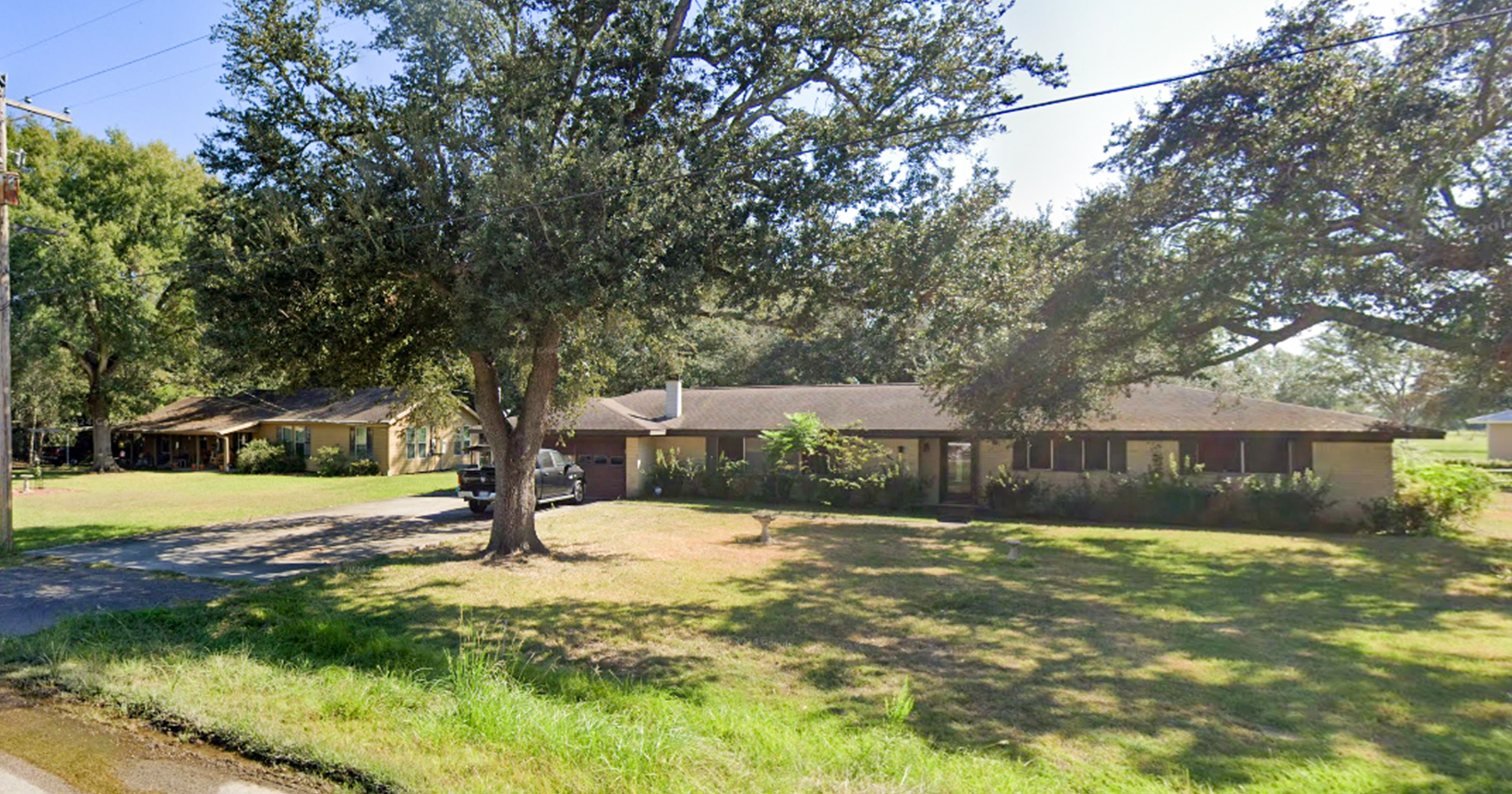
On Wescalder, a home built in 1968 is seeing a $49,000 increase in land appraisal this year. Improvements on the same property remained the same value as last year. In year’s past, from 2018 through 2025, the land value was set at $11,160. For 2026, the same land is valued at $60,530.
In total, the property’s owners will realize a $25,000 appraisal hike, the remaining $24,000 is set aside to add-on in future years, as Texas law precludes any one-year property valuation increase to exceed 10% of the property’s total value.
On Norwood Street, a sampling would indicate a rough doubling in land value. At least two properties in the 800 block of Norwood saw land values of $14,000 since 2018 rise to more than $37,000 for 2026.
In Amelia Heights, some land values have also more than tripled. A home in the 8000 block of Washington, on land valued at $13,640 for eight years, will see that same land now valued at $47,017.
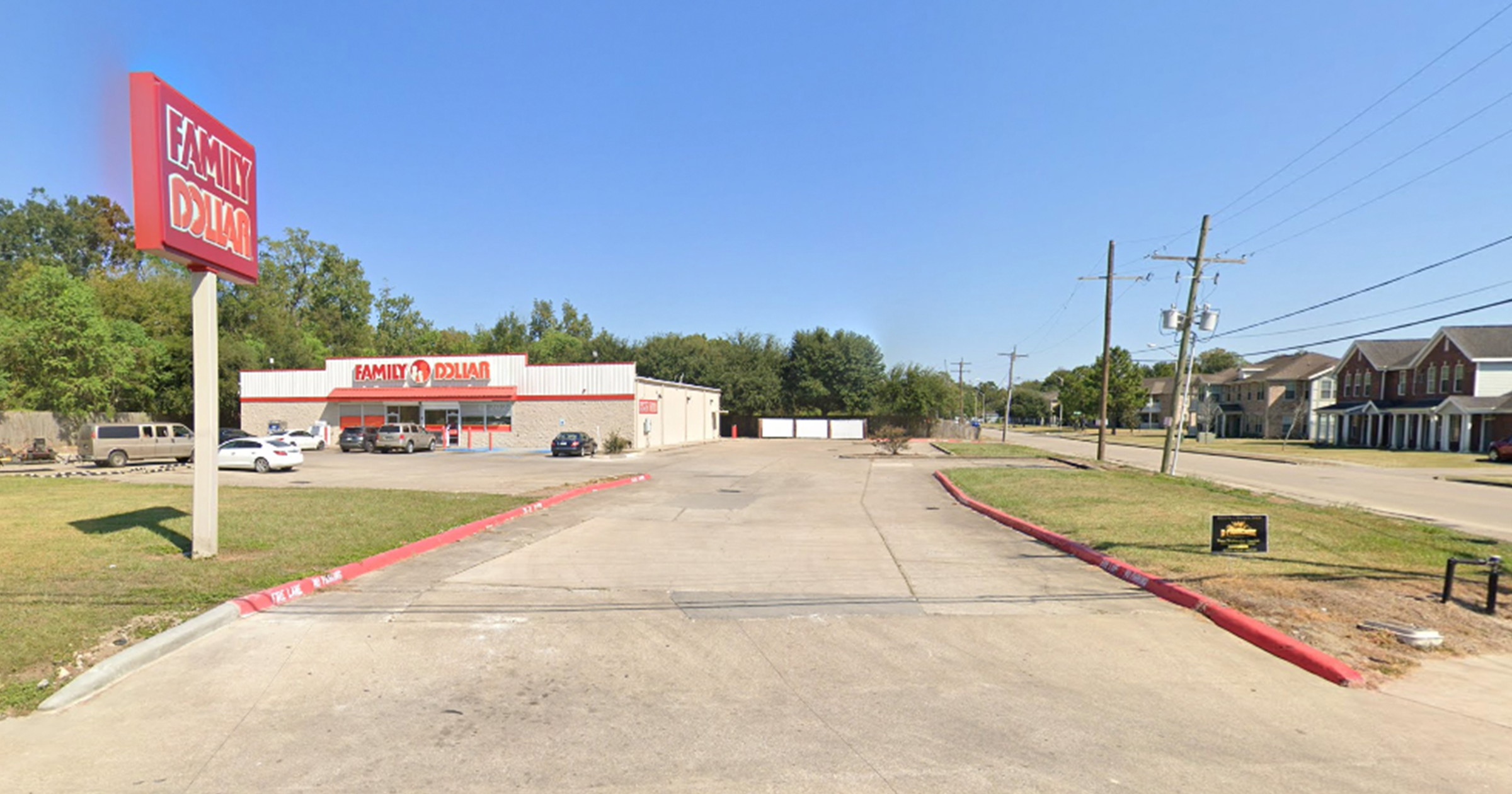
The Family Dollar on Magnolia, one of few outlets for groceries and household goods in the North End community it serves, saw its land value increase from $37,000 to $92,000. The prior land value assessment had remained at $37,000 since 2017.
“It’s a market factor that you look at,” Bellard explained. “If we don’t do that, we will get hit with ‘unequal.’”
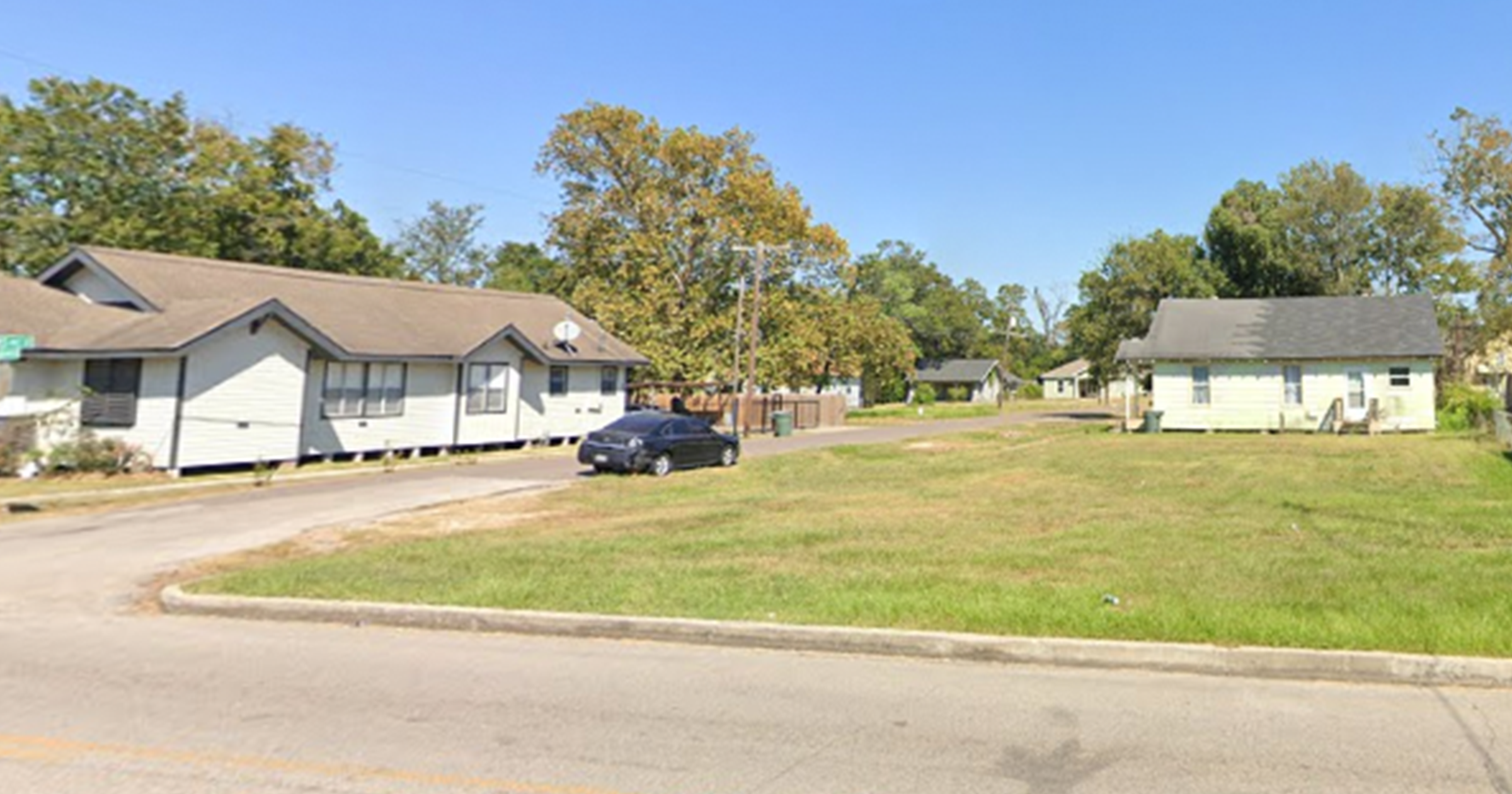
Even property such as a vacant lot on Magnolia Street near Weiss Park, valued at approximately $2,500 since 2018, is posting multiplied potential; the same property’s valuation for 2026 is $9,817 – nearly quadrupled.
Promotion of buying in Beaumont oft comes from data sets distributed from agencies such as Construction Coverage, an online publisher of construction industry research reports featured on CBS, Fox, USA Today, Bloomberg, Nasdaq, and more. A new analysis released from Construction Coverage this month reported findings that buying a home is now more expensive than renting in a vast majority of American markets, with the typical monthly mortgage payment running about 20% higher than rent nationwide as of early 2026. In Beaumont, homeowners fare better than most, according to Construction Coverage data that methodically related the comparison between monthly ownership costs of mortgage and property taxes versus rent at the local level.
Key revelations include a “fast-flip” in the U.S. affordability gap, the analysts reported.
“Since the start of 2021, mortgage rates have more than doubled and home prices remain approximately 33% higher, driving a surge in the ‘buying premium’ across most U.S. markets.
“Beaumont’s position in the national divide: Out of 838 cities analyzed, Beaumont is one of just 95 places where buying is more affordable than renting,” the company rep reported.
Further breaking down the math of buying in Beaumont: In Beaumont, the median monthly mortgage payment and property taxes is $1,141, while median monthly rent is $1,275. The result is a discount for buyers in Beaumont of -10.5%. JCAD represented for the purposes of this report that even the “low-income” rent of many new apartment complexes in Beaumont is based on income levels not specific to this area, and what many think of a “low-income rent” is roughly the same as regular rent. So, buying in Beaumont is considered the most economical option – and a viable option for new Texas residents willing to pay a premium.
Although JCAD does not set taxes, estimated taxes on appraisal notices increase alongside property values. Taxing entities must still decide whether to accept the added tax income increased property values can bring – or, to decrease the tax rate to keep taxes flat for property owners.
But wait, there’s more to the tax debate
Although the appraisal district does not set tax rates for the taxing entities they serve, the quasi-government entity does set the value of property to be taxed. Until now, taxes were also estimated on Business Personal Property (BPP) since, until this year, Texas taxed furniture, equipment, machinery, and inventory used to produce income.
In the November 2025 election, Texas voters approved legislation that increased the property tax exemption value of income-producing tangible personal property to $125,000, up from $2,500, of the market value. The increased exemption value applies to property taxes imposed in tax years beginning in 2026.
Under the new legislation, the increased exemption generally applies to each location within the taxing unit so property owners can now potentially claim multiple exemptions.
Bellard did not indicate the total potential tax liability of Beaumont residents, pending final appraisals and appeals. However, the longtime chief appraiser did indicate that, sans taxes on business personal property, local taxing entities can expect a much smaller pool of taxable property from which to collect revenue. In lieu of budgets decreasing drastically to defray the reduced funding or digging deep into reserve funding, the potential for rising tax rates could follow.
.
Wescalder Rd.
Family Dollar on Magnolia Ave.
Magnolia Ave.
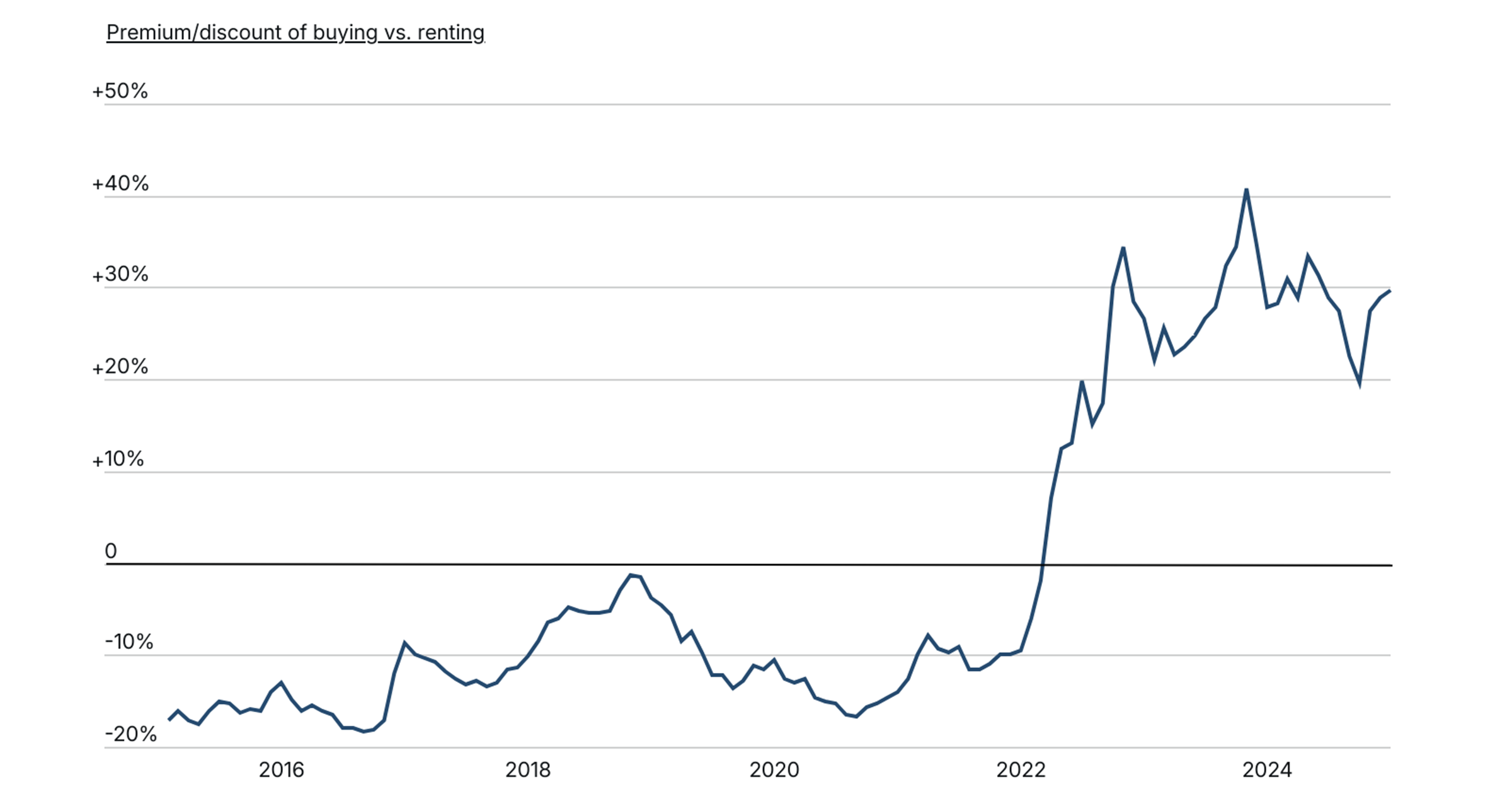
Construction Coverage graphic