

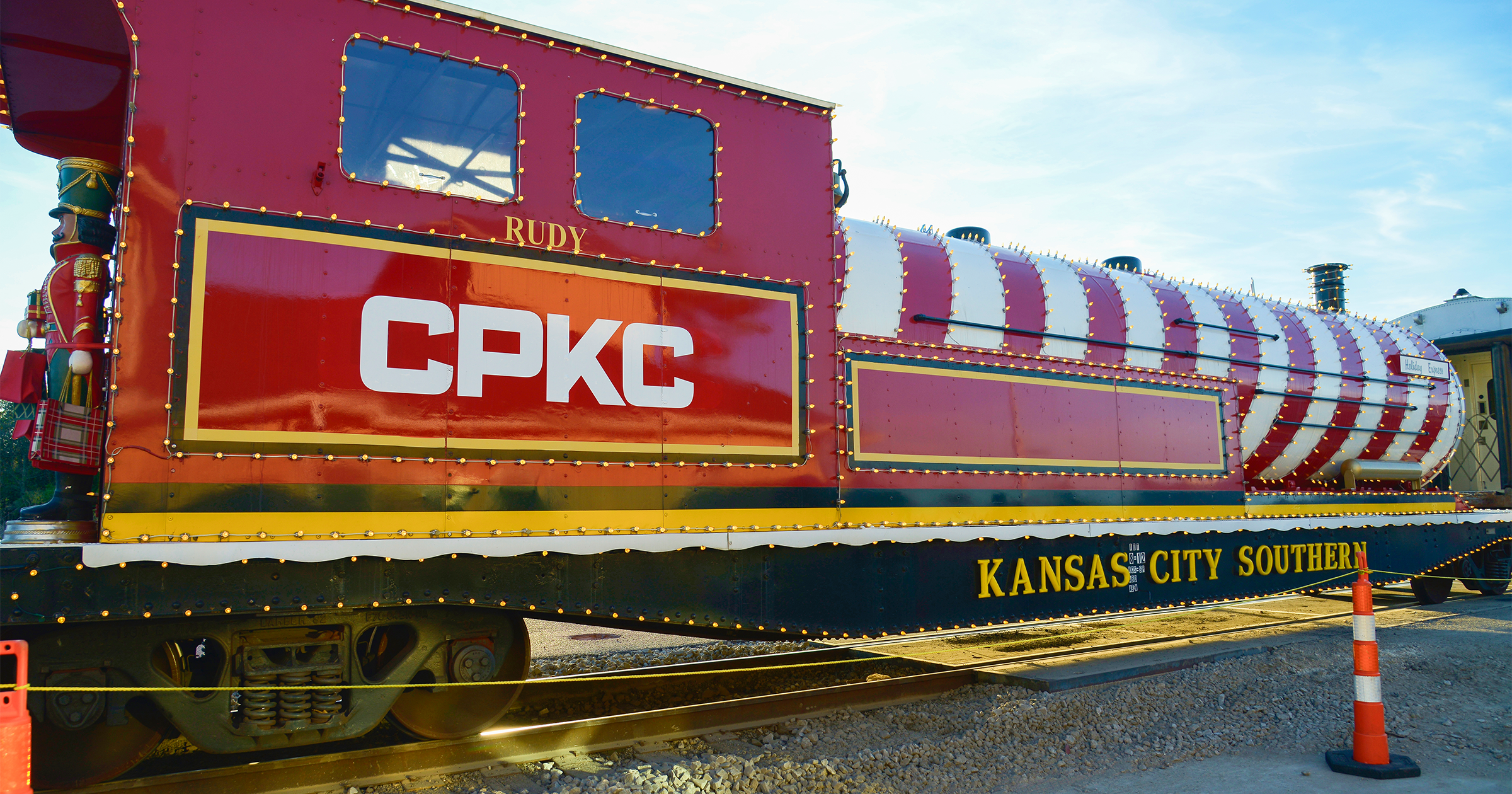
The magic of the holiday season rolled into the Port of Port Arthur on Dec. 12 as the CPKC Holiday Express made an unforgettable stop. This festive train, known for its dazzling lights and ability to bring out community spirit, typically visits over 150 towns across the U.S. and Canada during November and December to support food banks and pantries. Although Port Arthur wasn’t originally on the itinerary, the surprise visit brought cheer to more than 2,500 guests.
The event turned the port into a winter wonderland. Over 1,500 children eagerly lined up to meet Santa and snap photos, creating memories to treasure for years. Thanks to the Port Arthur Sertoma Club, guests warmed up with complimentary hot cocoa, sponsored by the local Convention and Visitors Bureau (CVB).
Local businesses and organizations joined forces to make the day even brighter. HEB delighted the little ones with cookies, toys and festive gift bags. The Texas A&M Agrilife Extension Agency brought a creative touch with tree ornament crafting. Event organizers even teamed up with Gator Country to showcase baby alligators, offering a unique hands-on learning experience for kids and parents alike. Who says holiday spirit can’t include a little adventure?
Volunteers from Valero added to the festive vibe, dressing as cheerful elves and spreading smiles throughout the crowd. CPKC’s full staff was on hand to ensure the event ran smoothly and, with line waits of no more than five minutes, everyone had the chance to soak in the holiday joy without a hitch.
Though not an annual tradition, the CPKC Holiday Express has made about half a dozen stops at the Port of Port Arthur over the years. Each visit leaves the community abuzz with excitement, and this year was no exception. As part of the event, a contribution was made to the Southeast Texas Food Bank.
Canadian Pacific Kansas City Railway (CPKC) is the first single-line railroad connecting Canada, the U.S. and Mexico. Formed in April 2023 through the merger of Canadian Pacific and Kansas City Southern, this 20,000-mile network’s primary focus is touted as transporting goods like grain, energy products and automotive parts.
.

.

.

.