

If hope for the youth is hope for the future, then volunteers manning the reVision mission in Southeast Texas see a bright outlook on the horizon. Hoping to derail the school-to-prison pipeline upending promising futures before young people ever get the chance to succeed in life, the nonprofit new to the area is calling on community supporters to assist in rerouting pathways of youth at risk of embarking on the road to destruction.
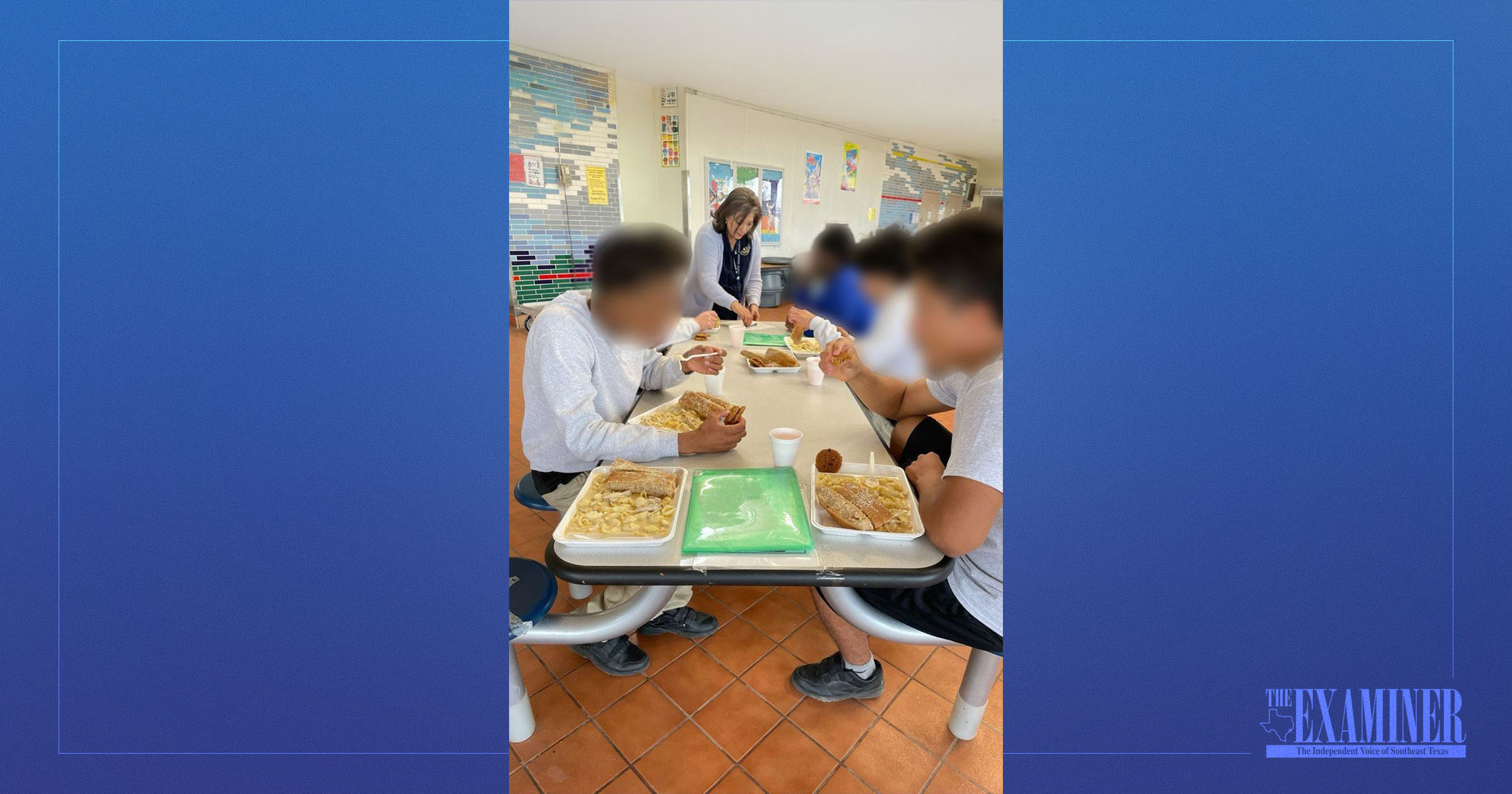
There is no shortage of young people in need of intervention in Southeast Texas, explained Britt Featherston, Jefferson County assistant district attorney and local reVision leader. The Beaumont-based Minnie Rogers Juvenile Justice Center, for children accused of an array of criminal activity, is currently home to many youthful offenders, ages 10 and up, each alleged to have committed offenses that would have landed an adult in jail – and each in need of guid- ance and direction to alter their current life trajectory.
“We’re already making a difference in these kids’ lives,” with counseling, social support, positive reinforcement and just showing up and caring, Featherston explained of the reVision Southeast Texas work already underway in the local juvenile lock-up. Time will tell just how much good has come from the investment.
“This is not a solution that fixes everything,” Featherston added. “The true tell will be (if) these kids become responsible adults after they get out of their legal situation.”
From the data detailed by the reVision Houston flagship nonprofit, the program works – reducing recidivism, encouraging success and offering ongoing support to sidestep pitfalls that could derail progress. Featherston is encouraged by the Houston program’s progress and is basing the tenants of the Golden Triangle branch in the form of a foundation already providing desired results.
The stated mission of Houston reVision is “to break the cycle of juvenile justice involvement and homelessness … by leveraging the power of community to connect them with mentors, positive peers, life-changing resources and opportunities for artistic expression.”
reVision works with teens in trouble at school, in juvenile detention, on probation, and certified youth in adult prison, as well as teens in the foster care system, experiencing homelessness, newly arrived immigrants, or are gangaffected. By partnering with churches, schools, government agencies and other nonprofit organizations to accumulate caring adult volunteers, the goal is to build kinship communities that leverage the power of human relationships to provide a variety of services that include case management, housing assistance, employment support, education support, health care and life skills training.
“reVision is where kids can feel safe, supported and loved,” the nonprofit boasts. “It’s a place where they can build relationships with caring adults and positive peers.”
Featherston is certain that reVision Southeast Texas can give local youth the positive proactive intervention already noted in Houston. The goal, Featherston said, is up to a 40% reduction in recidivism, as well as a distinct drop in youthcommitted murders, violent offenses and auto theft. Prior to reVision efforts in Houston, Featherston explained, the juvenile detention center housed hundreds of children.
“It was like a youth prison,” Featherston said, then pointed to the dramatic decline after reVision intervention. “The current status is approximately 60.”
“It blows your mind, just watching that program work,” he added. “They’re in all the lockups, in the school district, in schools so kids have a safe place to do homework, meet their mentors … It’s just a really great program.”
Featherston, committed to encouraging community involvement necessary to ensure the reVision program’s success, attended a recent Sunday afternoon session at First United Methodist Church in Beaumont to explain the mission and encourage participation. Among the 50-plus attendees were community leaders, former youth program participants and elected officials.
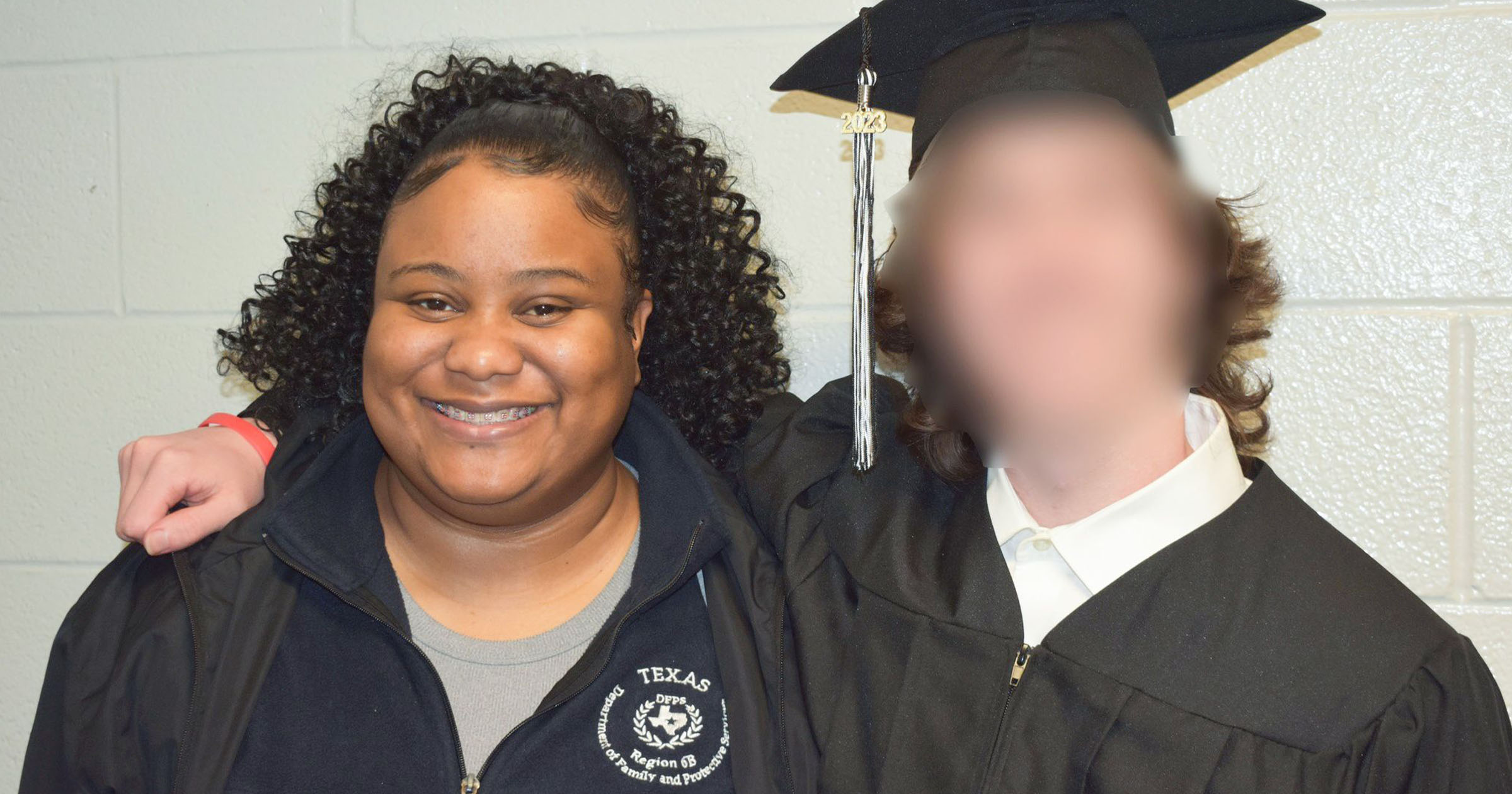
“We need your help,” a reVision supporter and Beaumont ISD grad who turned from mentee to mentor said. “The children in our community need your help.”
Dr. Gwendolyn Lavalais, a local physician serving as a reVision mentor, also encouraged attendees to get involved – even if the results of participation aren’t readily apparent.
“In time, they will benefit from the time you share with them and the love that you give,” she said. The volunteer, Lavalais added, will benefit, too.
Joe Evans, Beaumont ISD Sschool board trustee, reVision program director, and Guardian Ad Litem for approximately a dozen youth in custody of the state youth detention center, agreed that time spent with mentees is beneficial for all involved.
“We’re just a listening ear,” Evans shared, “a guiding light, a caring adult who is there…”
Too often, as Jefferson County Chief Juvenile Probation Officer Ed Cockrell is quoted: “Many of these offenders have never, ever, ever, been with a responsible adult that went church, worked, cooked dinner…”
“We are not a disciplinarian, not a teacher, not a coach, not a police officer,” Featherston explained of why mentorship works: Mentors are not authoritarians. “We strive to put a responsible adult in their life that’s just there for them, maybe have pizza with them, play a board game with them.”
Mentors, however, are trained in counseling, anger management, life skills and more, so they can best serve the youth at the heart of the program. Currently, reVision Southeast Texas mentors are paired with approximately 14 youths. According to Featherston, the need is there for more volunteers.
“Our pool of needs for the kids is never-ending,” he shared. The work performed by reVision mentors is “not for everyone,” Featherston added, “It takes someone special, who can walk into that detention facility and sit down with that offender – and that’s not easy.”
Regina Rogers, granddaughter of the Minnie Rogers Juvenile Justice Center namesake, as well as founder of the IEA – Inspire, Encourage Achieve nonprofit serving youth in detention and at-risk, co-signed on the assertion that working with troubled youth is not easy – but it is worth the effort.
“It would be a travesty – a real shame – if we didn’t try to pursue this,” Rogers said of participating in the reVision program. “I want to give every child an opportunity to excel.”
To reach more children, Featherston said, the nonprofit needs more volunteers. Whether there’s a group of a few hundred, or the interest of a lone participant, Featherston said he’s available to show up and lay out all the elements essential to signing up as a volunteer for reVision.
“You tell me you need training, and we’ll get it to you,” he re-iterated, adding a phone number to call: (409) 835-8612. All volunteers must pass a background check, be fingerprinted, and commit to at least six months of service at one hour per week.
“That’s it,” Featherston said of prerequisites and the commitment to not flake on mentees once paired. “The adults in these kids’ lives have already let them down, haven’t shown up when they needed to show up.
“We are going to be there.”
First and foremost, Featherston said, the group needs to get the in-custody mentoring program thriving. Then, the group will open mentoring to teens not in juvenile detention. In the future, Featherston hopes to open the program to youths ages 18 – 24, who are out of school but still need a hand in transitioning into productive adulthood.
Jefferson County District Attorney Keith Giblin, taking a supporting role in the reVision mission, encouraged Featherston’s gusto in gathering volunteers and growing the youth reached.
“We’ve got to do something,” Giblin said of redirecting youthful offenders ensnared in the judicial system. “We’re going to stop when juvenile crime is annihilated in this city.”

.
.
.