

Boasting bathrooms, a walk-down amphitheater, children’s playground and covered benches for community gatherings, downtown Beaumont’s local Riverfront Park was a sight to see before it was shut down in 2017 due to flooding from Hurricane Harvey. After eight years, the park has re-opened to the public — but, without many of the amenities anticipated in a “renovation” of the prior park.
“It’s been a long time coming, but we’re excited, and it’s absolutely beautiful. It’s bigger and better than it was before,” city of Beaumont Communications Manager Tracy Kennick said at the Aug. 21 “Grand Re-opening Ribbon Cutting” celebration. Where the “bigger” was located was unspecified, but the land in question was definitely more covered in concrete than when Harvey was done with destroying the former location. Aside from uncovered benches scattered along a concrete walkway, amenities were hard to find, too.
The Neches River, which flows 416 miles through East Texas, is a well-known landmark in the region. The portion featured in downtown Beaumont, though, is well-known as home to large refinery and port properties, unswimmable, with open views of refinery flares and rail trains.
“Hurricane Harvey took 80 feet off the bank … we lost that much, and it was a pretty devastating blow for the Riverfront Park,” former Beaumont mayor Becky Ames said. Year after year, the need grew greater – as did the price tag to get the property up to snuff. “Even though the bank was 80 feet back … you couldn’t go look at it unless you were an engineer.”
Since then, elected leaders and city staff have planned to restore the park. A groundbreaking ceremony was held in April 2023, despite construction delays. Major reasons cited for delayed progress included weather conditions, which eroded several of the riverbanks, along with the park’s infrastructure, including its pavilions, docks, benches and sidewalks.
The approximately $20 million project was funded by the Federal Emergency Management Agency (FEMA) and the Texas Department of Energy, along with funds from the city, which allegedly led to restoration efforts of the park’s original design, rather than a new design. Additionally, while construction started in April 2024, heavy rain and high water levels in the Neches River made the riverbanks unstable and held back construction, city staffers detailed.
“Every time I would go down there, there were people reading books … kids playing; it was just really nice. I’m very happy they brought it back,” Ames said of the Riverfront Park of years’ past – and the hope that the site will again serve the community.
City Manager Kenneth R. Williams said that, with the park’s reopening, the city has stabilized the riverbank, added lighting, erected a new boat dock, and created a scenic walkway.
“But, this park is more than infrastructure; it’s a tribute to our past and promise to our future,” he said. “It is where families will gather, children will play, and stories will continue to unfold.”
The city council has also added proposed Riverfront Park expansion to the ballot for the Beaumont Bond Election in November.
The upcoming bond election is asking citizens to vote on development projects grouped into five propositions. By issuing bonds, Beaumont will reportedly spread the cost of nearly $260 million in proposed expenditures over a long lifespan, touted as more affordable than paying the full cost upfront, passing it on to Beaumonters for years to come.
Proposition D, a standalone item on the ballot, is the Riverfront Park Extension project. Economic Development Manager Christina Lokey said the planned extension would include an interactive splash pad, a children’s activity center, a modern amphitheater for live entertainment, a vendor pavilion with at least four storefront kiosks, decorative lighting, and public amenities such as restrooms and seating, along with a scenic walkway, which connects the Beaumont Civic Center to the park. Altogether, this would be a proposed 8.25-acre expansion at a cost of $12,498,220.
“It (would) transform the riverfront into a dynamic, inclusive and engaging space for all,” she said. “What downtown needs the most is people, and we need to be able to create interactive spaces for them.”
Additionally, Lokey said the park’s expansion could increase visitors to the city, which she believes is vital for economic growth. Visitor spending in Beaumont for 2024 was $391.9 million, which was an 8.8% increase from the previous year.
“This is not just a tourism stat, it’s an economic signal,” she said. “This number reflects real dollars spent in our hotels, restaurants, retail stores and entertainment venues by people who don't live here but choose to visit. This matters because the visitor economy fuels Beaumont’s local economy in tangible ways. When we talk about tourism, we're not just talking about events and hotel rooms. We’re talking about an economic engine, a growing visitor economy that helps us pay for roads, parks and police officers. It means more revenue without more tax burden. The visitor economy isn’t a side story. It’s a central strategic, strategy for growth, resilience and reinvestment.”
Early voting by personal appearance will run Oct. 20 through Oct. 31, with Election Day set for Tuesday, Nov. 4. To participate, residents must be registered to vote by Oct. 6.
As the city faces its first bond election in more than four decades, the first for residents of Beaumont since the 2007 Beaumont ISD bond referendum that secured more than $380 million for the local school district, the decision will rest with voters on which items, if any, are fit for investing tax dollars.
The Examiner will continue examining each of the proposed projects in upcoming editions to provide voters with the information they need before heading to the polls in November. Learn more about the proposed bond and what is to be funded at www.beaumonttexas.gov/605/Learn-About-the-Beaumont-Bond.
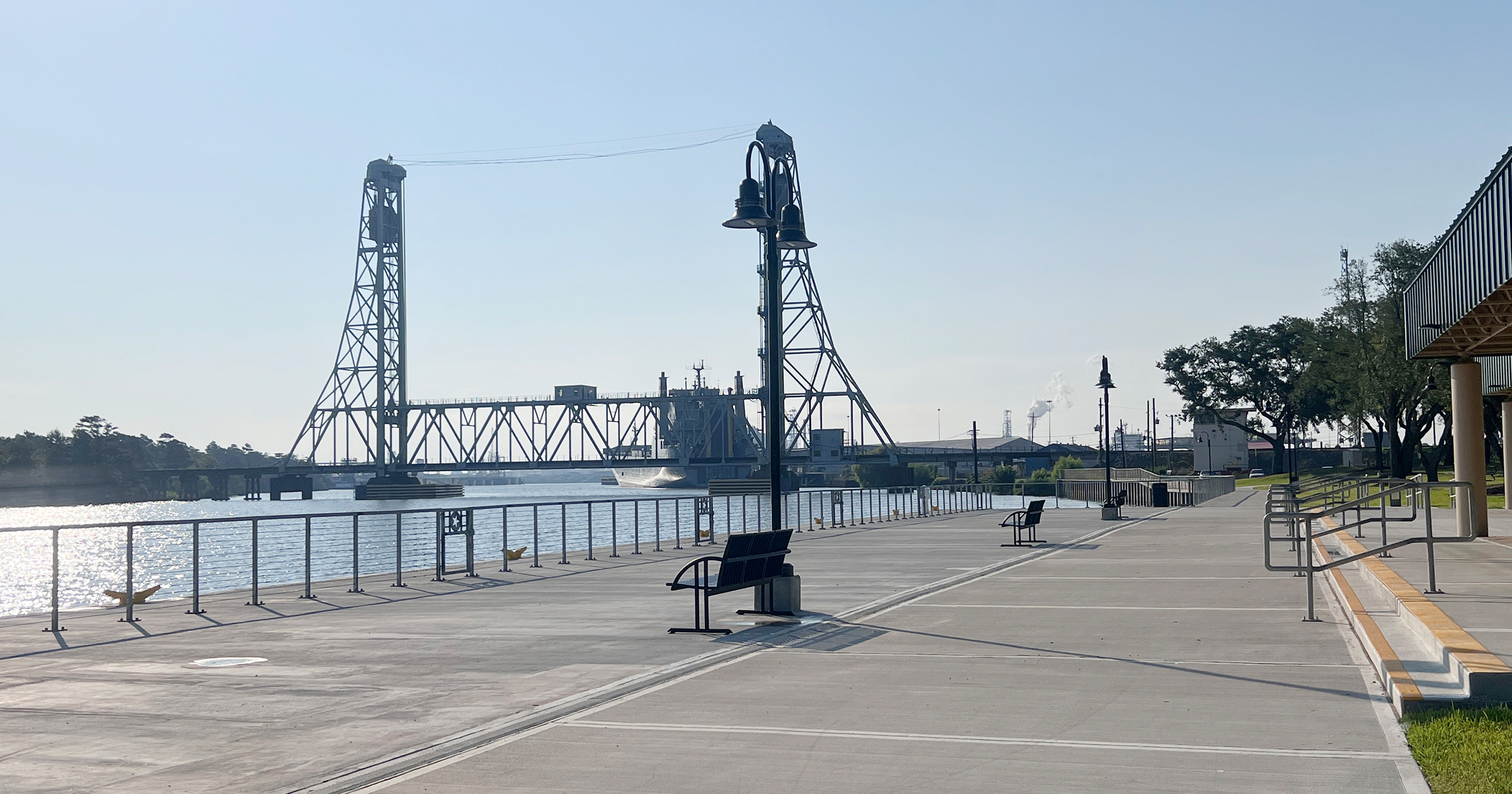
2025 Riverfront Park reveal
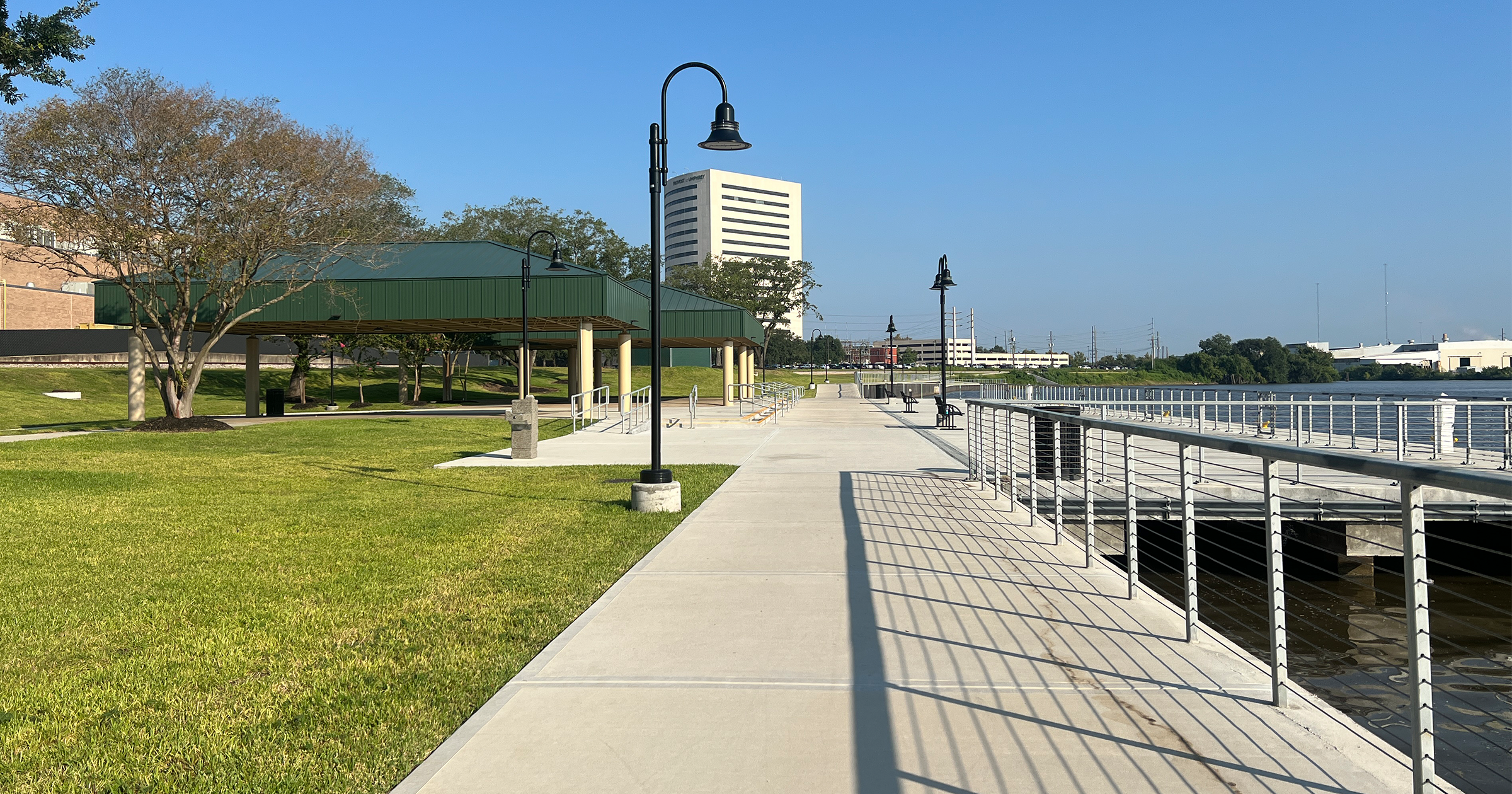
.
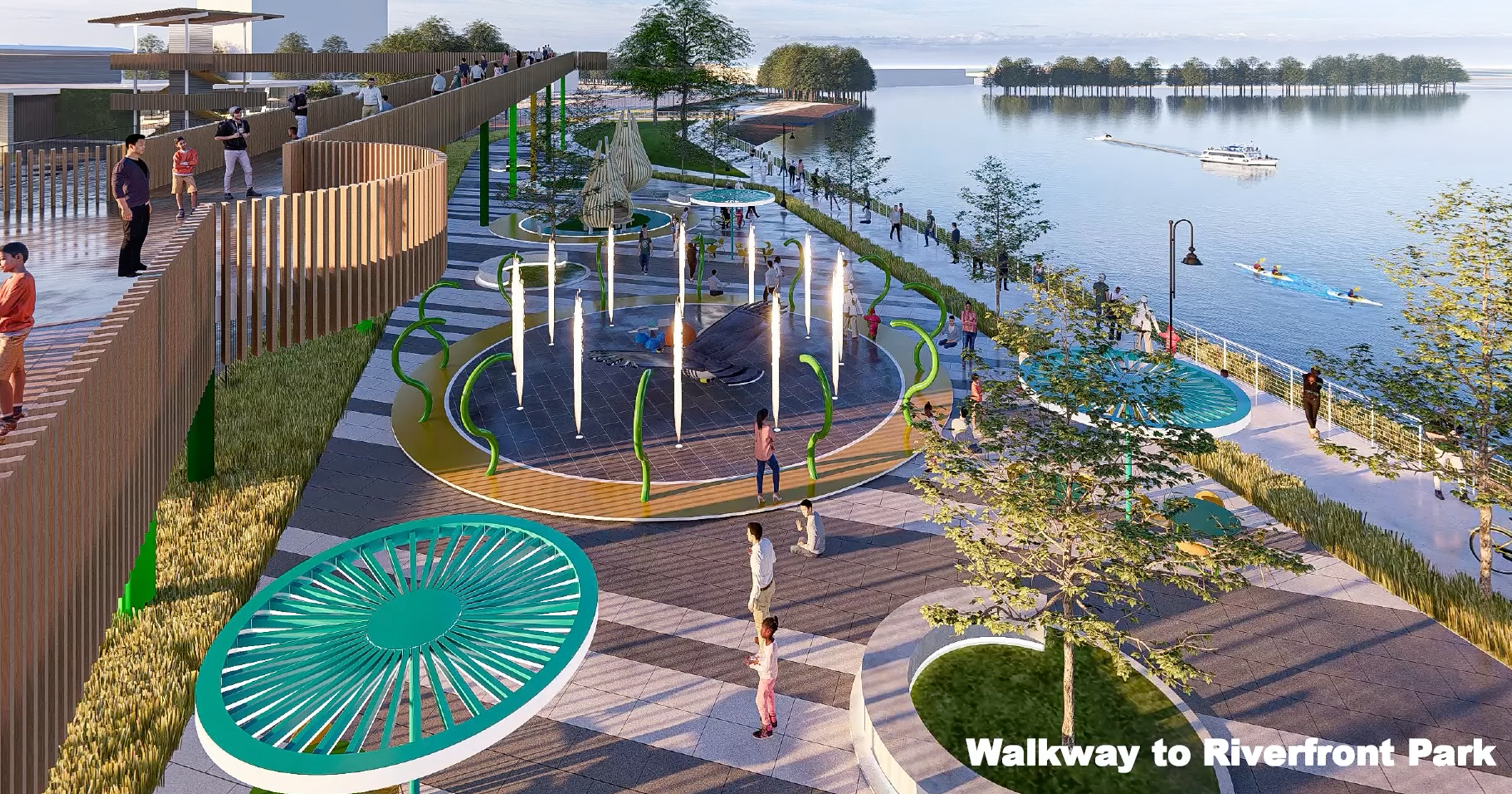
Planned upgrades with $12.5M bond.
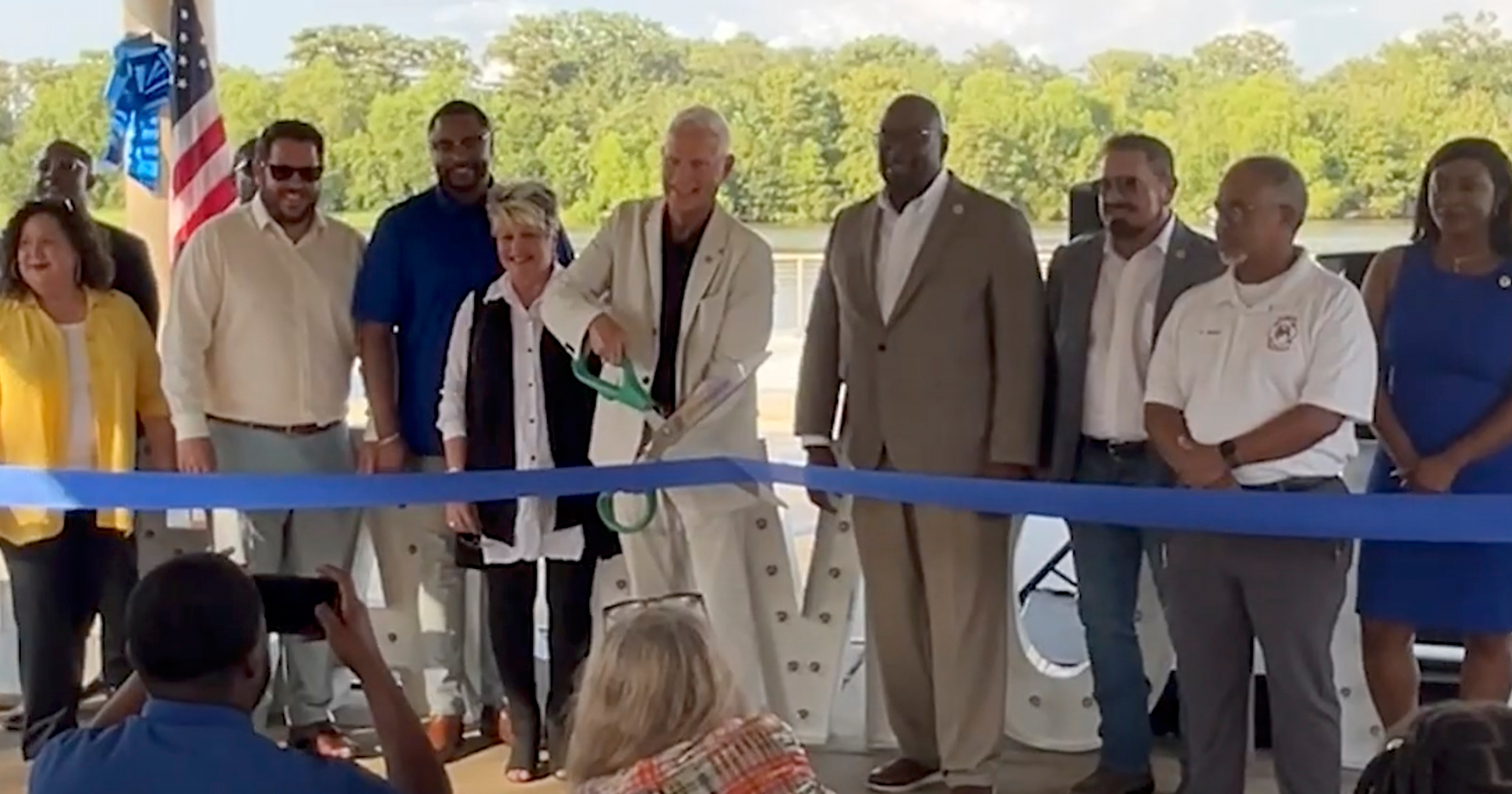
.