

Stand-up comedy might seem like a thoroughly modern art form – one performer, one microphone, one spotlight – but its history stretches back centuries.
Long before brick-walled comedy clubs and streaming specials, humor flourished through storytelling and live performance. Ancient Greek playwrights such as Aristophanes used satire to skewer politics and public life. In 19th-century America, writers like Mark Twain toured the country delivering humorous lectures that closely resemble today’s stand-up sets.
The rise of radio and television in the early 20th century carried comedians into living rooms nationwide. Entertainers like Bob Hope became household names, perfecting polished, family-friendly routines tailored to broadcast audiences.
But the 1950s and 1960s marked a turning point. Comics began shifting from simple joke-telling to personal storytelling and pointed social commentary. Lenny Bruce pushed the boundaries of censorship with provocative material. Richard Pryor brought raw honesty about race and identity to the stage. George Carlin dissected language and culture with razor-sharp precision. Stand-up was no longer just entertainment – it was cultural commentary.
Comedy clubs helped fuel that evolution. Venues such as The Comedy Store became incubators for bold new voices, launching careers and reshaping the art form.
Today, stand-up is more diverse than ever, spanning political satire, observational humor, confessional storytelling and everything in between. What began as vaudeville filler has grown into one of the most influential and personal forms of performance art.
Why is stand-up so popular now?
After pandemic lockdowns, audiences craved live, shared experiences. Stand-up offers an intimate, affordable alternative to concerts and sporting events, with comedy clubs providing up-close access to performers.
Social media has also transformed the industry. Platforms like YouTube, TikTok and Instagram have turned stand-up into bite-sized, shareable moments. A 30-second crowd-work clip can go viral overnight. Comics no longer rely solely on traditional gatekeepers like Comedy Central to build an audience.
Many now release specials independently online. Performers such as Shane Gillis and Matt Rife have built massive followings without traditional television backing.
Podcasts have further blurred the lines between performance and conversation. Shows like The Joe Rogan Experience and Kill Tony give fans a behind-the-scenes look at comedy culture, fostering a sense of connection between comics and audiences.
In an era dominated by nonstop news cycles and social tension, stand-up also serves as a communal pressure valve. Laughter offers relief – and perspective – on the absurdity of modern life.
Coming to Beaumont
If you’re ready for a night of laughter, Beaumont Events has three nationally touring shows scheduled at the Jefferson Theatre: Henry Cho, Whose Live Anyway?, and Ali Siddiq.
Only a handful of tickets remain for Cho’s “Empty Nest Tour,” set for Saturday, Feb. 28, at 8 p.m. Tickets start at $50 and are available at ticketmaster.com.
Cho is known for his clean, family-friendly humor and distinctive Southern drawl – a rarity in today’s stand-up landscape. He often jokes about being “an Asian with a Southern accent,” drawing from his experience growing up Korean American in Tennessee. His blend of cultural identity and Southern storytelling gives him a singular comedic voice.
Cho was inducted as the 229th member of the Grand Ole Opry – the first comedian to receive the honor since 1973. His credits include appearances on major late-night shows and specials on Comedy Central, Netflix and SiriusXM.
Current cast members of the Emmy-nominated TV show “Whose Line Is It Anyway?” will bring their new improv tour, Whose Live Anyway?, to Beaumont on Saturday, March 14, at 7:30 p.m.
The tv show began in 1998 in Great Britain then soon spanned across the sea for a 20-year run and was hosted by Drew Carey.
This 90-minute show features improvised comedy and music based entirely on audience suggestions. Many of the same TV cast members, Ryan Stiles, Greg Proops, Jeff B. Davis and Joel Murray, will create scenes on the spot – often inviting audience members to join them onstage. Tickets begin at $76 and are available via ticketmaster.com.
Houston native Ali Siddiq returns to the Jefferson Theatre for his “Custom Fit Tour” on Saturday, May 9, at 7 p.m. Tickets start at $43.
Siddiq is widely regarded as one of the most gifted storytellers in modern stand-up. Rather than relying on quick one-liners, he crafts layered, long-form narratives that build tension and deliver deeply earned punchlines. Drawing from lived experience – including growing up in Houston and serving time in prison as a young adult – he transforms difficult subjects into sharp, resonant comedy.
His four-part YouTube series, “The Domino Effect,” has attracted millions of views and cemented his reputation as a master of autobiographical storytelling. After appearances on BET’s “Comic View,” HBO’s “Def Comedy Jam” and as a finalist on NBC’s “Bring the Funny,” Siddiq’s profile has continued to rise as he is expected to release three new specials in 2026.
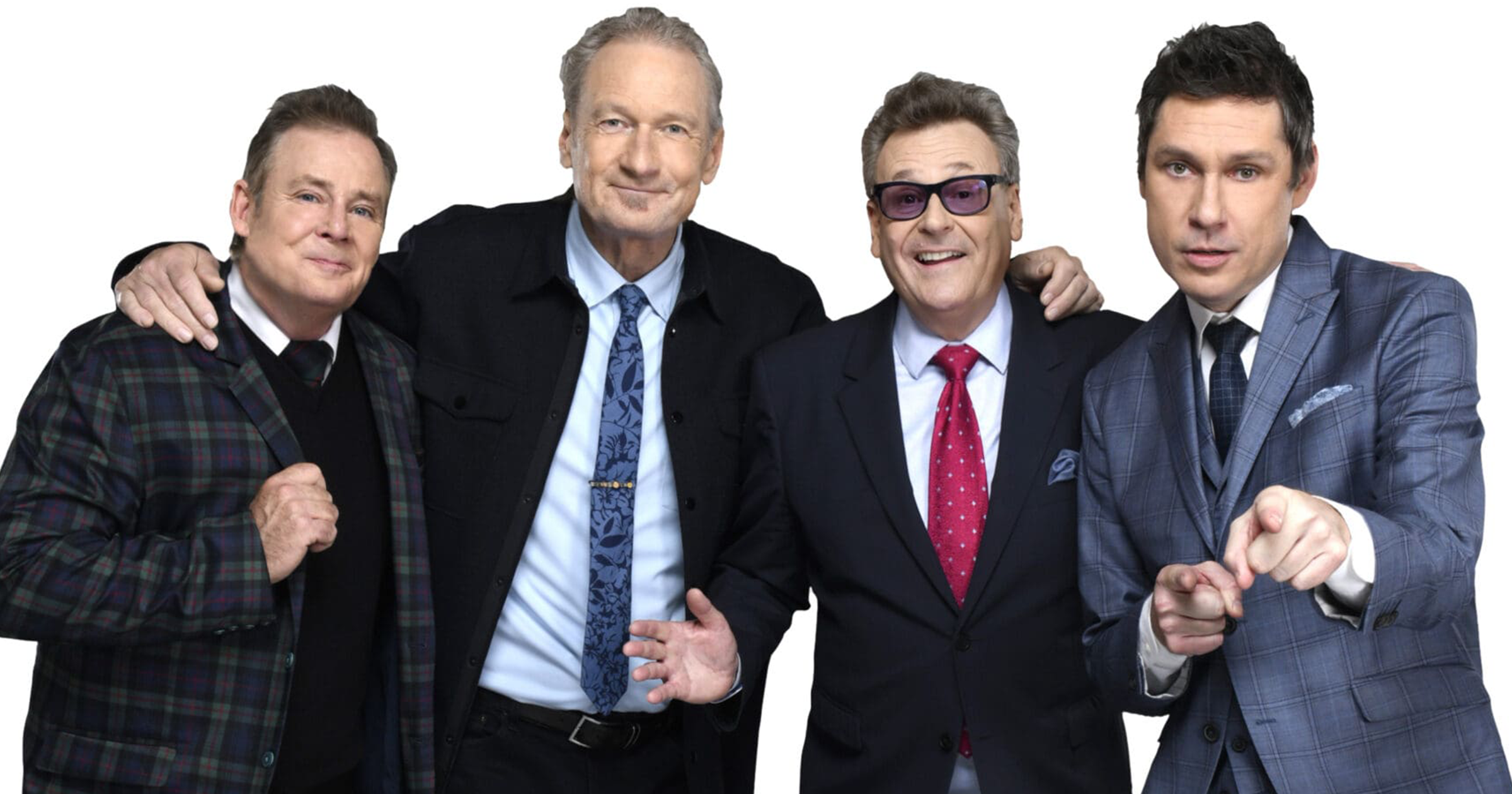
Whose Live Anyway?