

The history of Halloween is long and fascinating and stretches back over 2,000 years and blends ancient Celtic traditions, Christian influences, and modern American culture.
Celebrated every year on Oct. 31, the tradition originated with the ancient Celtic festival of Samhain (pronounced so-in) when people would light bonfires and wear costumes (most were orange and black in color) to ward off ghosts. Samhain marked the end of the harvest season and the beginning of winter – a time associated with death and darkness. The Celts believed that on Oct. 31, the veil between the living and the dead was thinnest, so bonfires were lit to ward off evil spirits and wore animal-skin costumes to disguise themselves from wandering ghosts.
The Christian influence began in the 7th and 9th centuries A.D., particularly by the Catholic Church as they established All Saints’ Day (also called All Hallows’ Day) on Nov. 1 to honor saints and martyrs. The evening before, Oct. 31, became known as All Hallows’ Eve, which later shortened to Halloween. It blended Christian and Celtic customs – people still believed in spirits roaming on the eve of All Saints’ Day.
Medieval traditions, such as “souling” and “guising,” popped up around 1500. “Soulers” would go door-to-door offering prayers for the dead in exchange for “soul cakes.” In Scotland and Ireland, people began “guising” (dressing in costume) and performing songs or tricks for treats –an early form of trick-or-treating.
Right around the mid 1800s is when Halloween came to America. Irish immigrants fleeing the Potato Famine brought their Halloween customs to the U.S. and pumpkins – native to America –replaced turnips for carving Jack-o’-lanterns. Did you know a pumpkin is not a vegetable? It’s technically a fruit because anything that starts from a single flower, as a pumpkin does, is classified botanically as a “simple fruit.” Then communities began holding parties, parades, and games (like bobbing for apples).
More about Jack-o’-lanterns: Based on the Irish legend of “Stingy Jack,” who tricked the Devil and was doomed to wander Earth with a carved turnip lantern.
Trick-or-treating became widespread as a safe, family-friendly tradition during the 1950s then Halloween grew into a commercial holiday with costumes, candy, decorations and movies.
Classic Halloween movies were massively successful at movie theaters including the “Halloween” franchise, which was based on the 1978 original film directed by John Carpenter and starred Donald Pleasance, Nick Castle, Jamie Lee Curtis and Tony Moran. A direct sequel to the original “Halloween” was released in 2018, starring Jamie Lee Curtis and Nick Castle. A sequel to that, “Halloween Kills,” was released in 2021; and a sequel to that, “Halloween Ends,” was released in 2022.
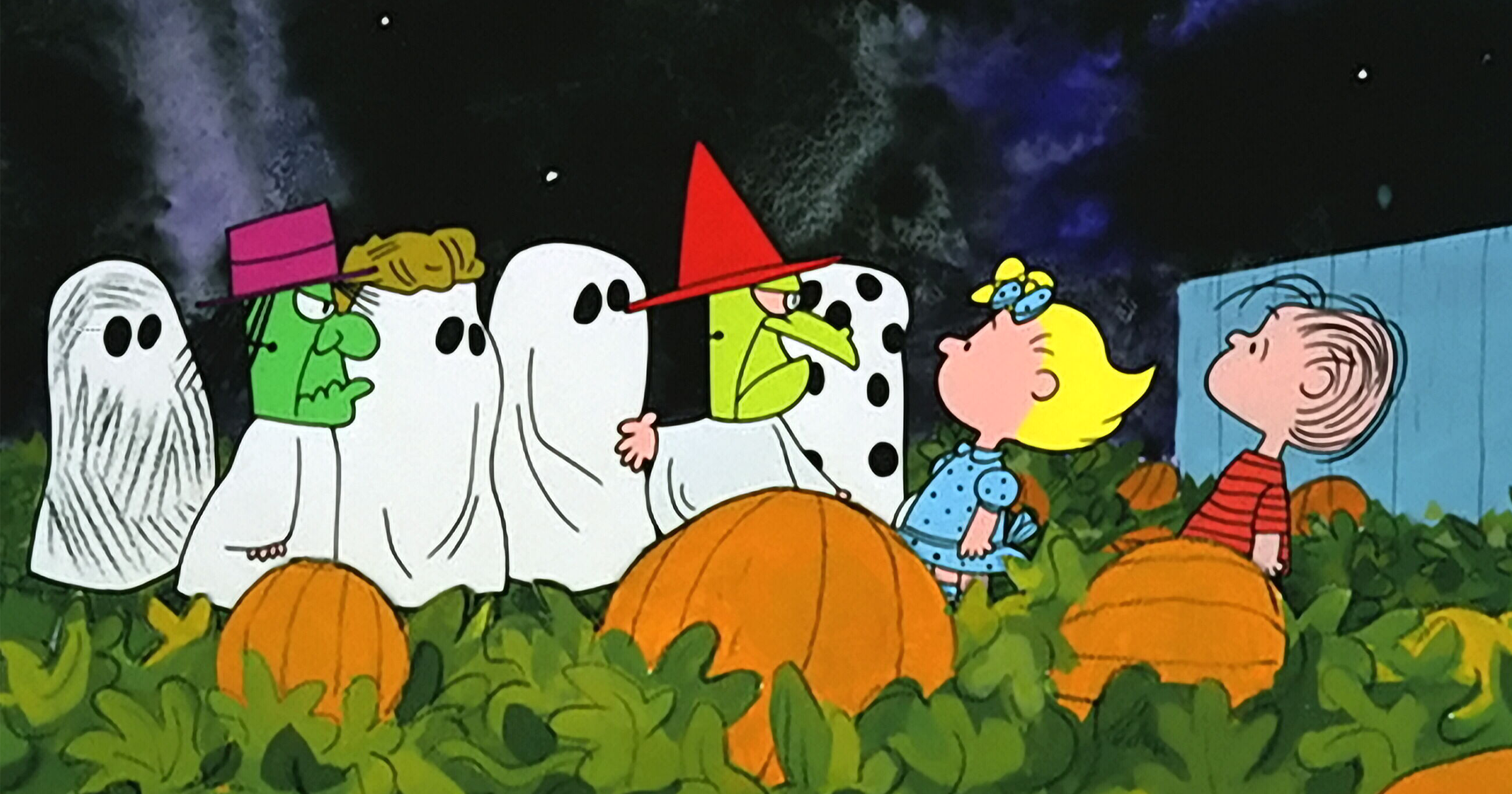
Considered a classic horror film down to its spooky soundtrack, Halloween inspired other iconic “slasher films” like “Scream,” “Nightmare on Elm Street” and “Friday the 13.” More family-friendly Halloween movies and TV shows include “The Addams Family,” “The Munsters,” “Hocus Pocus,” “The Nightmare Before Christmas,” “Beetlejuice” and “It’s the Great Pumpkin, Charlie Brown.”
Some interesting fun facts about Halloween – One-quarter of all the candy sold annually in the U.S. is purchased for Halloween; the next time there will be a full moon on Halloween will be 2039; Americans spent nearly $700 million on Halloween costumes for their pets in 2024; According to a YouGov Poll, 74% of parents with children younger than 18 confess that they usually eat at least a few pieces of their children’s Halloween candy; and the National Retail Federation announced that on average people spent $108 per person on candy, decorations and costumes, with numbers reaching overall $4.1 billion on costumes, $3.6 billion on candy, $3.9 billion on decorations.
The most popular Halloween candy? Reese’s Cups per research followed by M&M’s, Hot Tamales, Skittles and Sour Patch Kids.
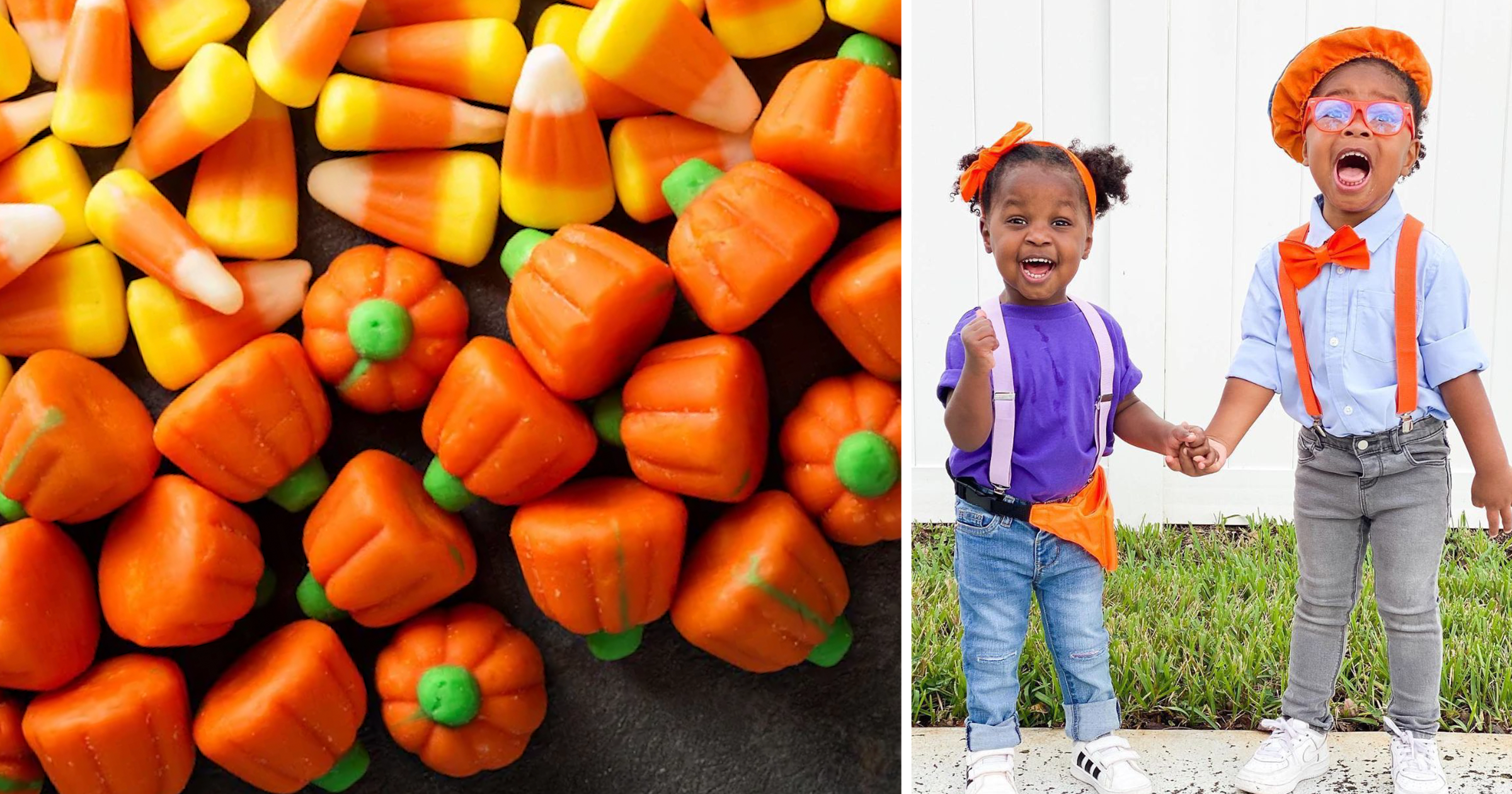
Let’s not forget Candy corn. The Goelitz Confectionery Company originally sold the polarizing treat in boxes with a rooster on the front to appeal to America’s agricultural roots. Candy corn has remained unchanged for over 100 years – the recipe has stayed nearly the same since its invention – with 35 million pounds produced each year.
.
.