

It isn’t Beaumont native Acynthia Villery’s first rodeo in accepting affluent accolades, but induction in into the Black Cowboy Hall of Fame is a ride to remember for a country girl whose story practically began in the rodeo arena.
Beaumont – her hometown, her roots and the place that shaped the trailblazing cowgirl into one of the first women ever inducted into the Black Cowboy Museum Hall of Fame – is a big piece of the map charting Villery’s rise in the arena. And, if you ask her how it all happened, how a girl from Southeast Texas grew into a nationally recognized announcer and cultural ambassador for Black rodeo life, she’ll say it plain and proud: “It’s in my blood.”
Born and raised in Beaumont, Villery’s journey into the world of rodeo started long before she ever picked up a microphone or saddled a horse. It was embedded in her lineage. A third-generation rodeo enthusiast, Villery was raised among the dust and excitement of the rodeo circuit. Her grandfather and two uncles — one of whom, Murry J. Frank, has a planetarium in Beaumont named in his honor — were among the first to establish a rodeo association in Southeast Texas.
Growing up, she spent weekends at rodeos in nearby Cheek, where the family barbecued, worked behind the scenes and helped manage events. Villery got her first taste of announcing and secretarial work at Bassett Arena under the guidance of her Uncle Murry, who served as rodeo secretary, keeping times, managing scores and distributing payoffs.
“Being from Beaumont meant being around family, tradition and work ethic. Our pots were always full, and our doors were always open,” Villery said. “That’s just how we were raised.”
Villery’s deep family connection to rodeo evolved into a groundbreaking career. After volunteering with the Bill Pickett Invitational Rodeo (BPIR), the nation’s only touring all-Black rodeo, Villery moved to Denver in 1990 to become its secretary. She served the organization for 38 years, crisscrossing the country to educate and entertain crowds about Black cowboy culture.
But, she didn’t stop there. In a sport and industry historically dominated by men, Villery became the first African American female professional rodeo announcer, a milestone she reached after casually filling-in at a PBR event. Encouraged by her peers, Villery went on to complete training at the Okmulgee Rodeo School in Oklahoma, home of the nation’s oldest Black rodeo, now celebrating its 70th anniversary.
April 26, history was made when the Black Cowboy Museum in Rosenberg held its fourth annual induction ceremony and banquet and, for the first time in its history, the museum inducted women into its Hall of Fame. Among those honored: Acynthia Villery and Molly Taylor Stevenson.
Villery was also recently elected to the board of directors at the museum.
“The honor is bigger than me,” she said. “It’s for the generations before me who didn’t get recognized.”
Rodeo might be where she built her name, but service is where Villery built her legacy. She holds two Presidential Lifetime Achievement Awards, a recognition reserved for individuals who contribute over 4,000 hours of volunteer work in their lifetime, and her service resume is as vast as a Texas sky – HIV/AIDS testing at events, toy and food drives, and years of running a prayer line ministry alongside her sister.
In her advocacy work, Villery now serves as Advisory Board President of Pretty Girls With Cancer (PGWC), a nonprofit focused on supporting the mental health of women battling cancer. It’s a cause close to her heart as cancer has touched all four sides of her family, including her mother, Elsie Villery, a breast cancer survivor who still lives in Beaumont.
Through PGWC, Villery aims to help women all over the country find strength in sisterhood. One signature healing event is featured during the nonprofit’s annual glamping trip: The Bonfire Chronicles, which allows women to gather under the stars to share their stories and symbolically burn their worries.
“Meeting Kandice Rose, a three-time survivor and founder of PGWC, at a cancer walk changed my life,” Villery said. “We started with fashion shows featuring survivors as models. They weren’t just modeling clothes – they were modeling strength and resilience.”
Until 2015, Villery brought rodeo events back to Beaumont, including the Bill Pickett Trail Ride and Zydeco Festival, a three-day celebration of Black cowboy culture that ran more than a decade. She’s been featured on Beaumont’s Wall of Fame four times and served as a commissioner for the city’s 150th birthday celebration.
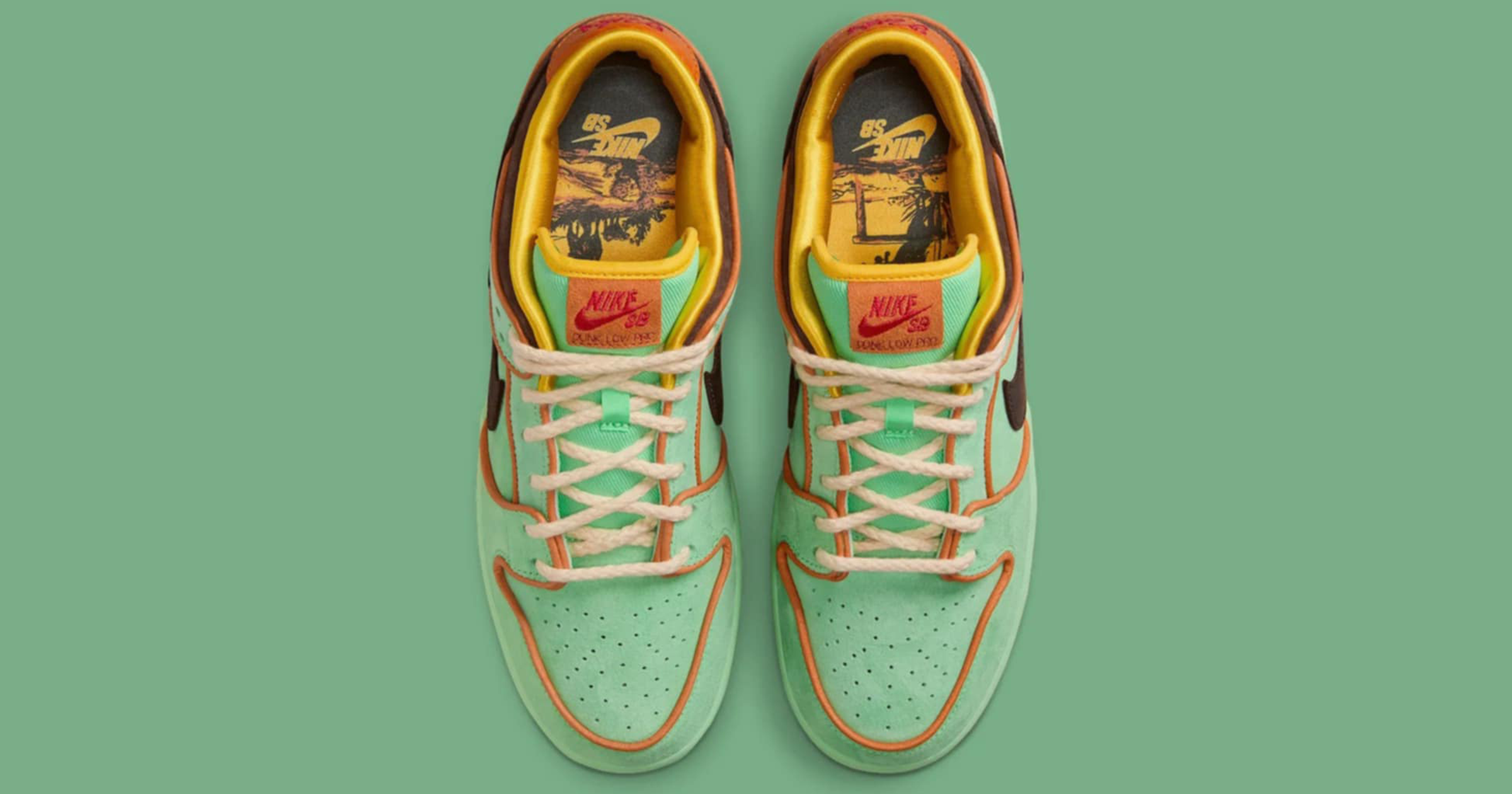
Stunning storytelling and leadership even led Nike to tap Villery as a protagonist in a recent campaign for their limited-edition Rodeo Dunk sneakers, which honored Black cowboys and cowgirls. The shoes sold out in just 10 minutes.
And, there’s more to come – Villery is prominently featured in an upcoming documentary set to release this June, just in time for Juneteenth, spotlighting the history and impact of Black cowboys and the Bill Pickett Invitational Rodeo.
“I’ve been blessed to be surrounded by people who poured into me,” she said, pointing to Lu Vason, the founder of Bill Pickett Rodeo, and his wife Valeria, who were like second parents. “Lu took me under his wing and taught me things life and a classroom could not – leadership skills, and Valeria continues to this day.”
The Black Cowboy Museum, located in Rosenberg, is operated by founder Larry Callies. View the Nike SB Rodeo Dunk promotional video featuring Villery online at: https://www.youtube.com/watch?v=w_TbLeinVhA.

Villery
.